YAKUSOKU (YAKSOK)
Yakusoku (Yaksok)
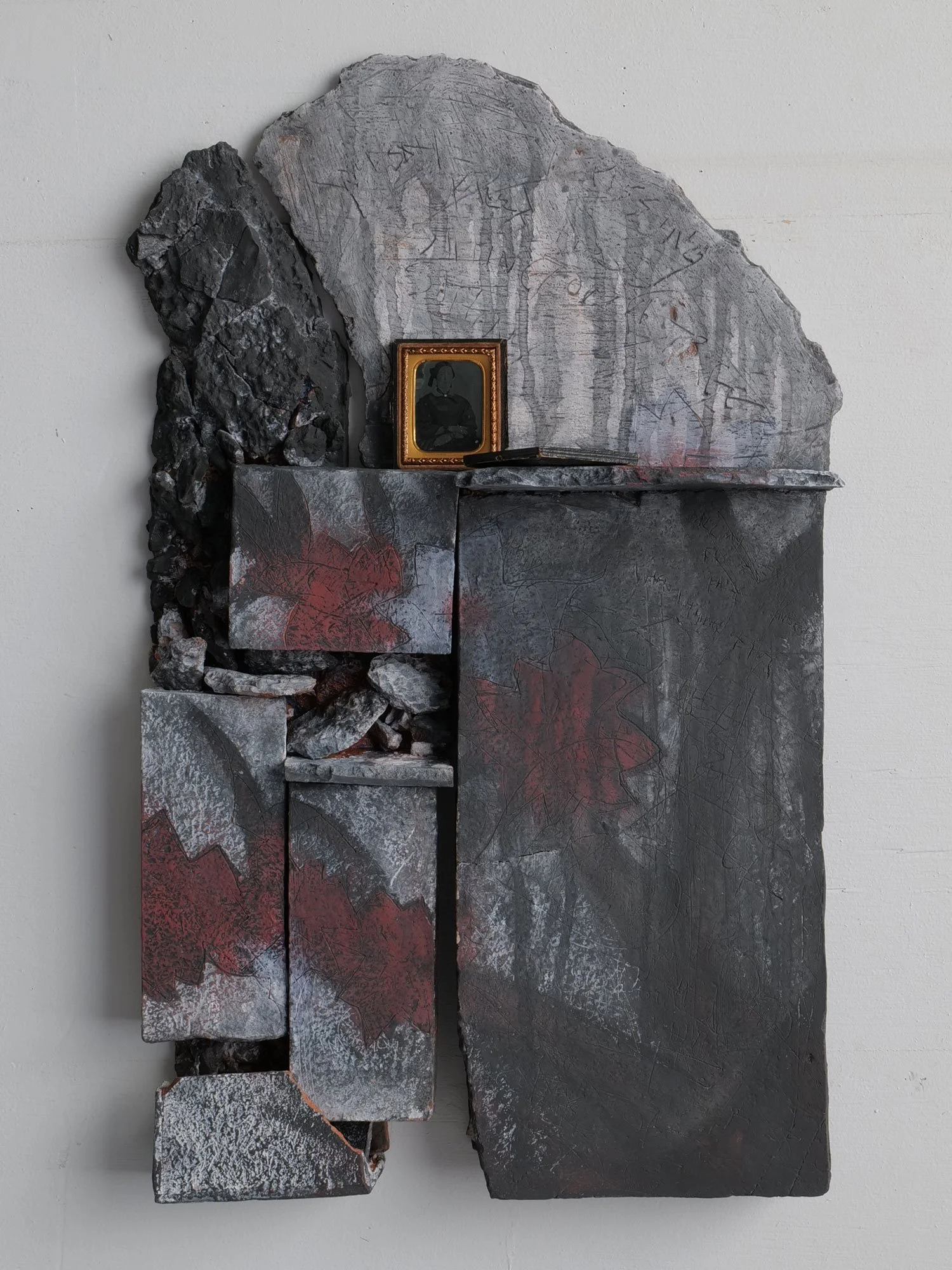
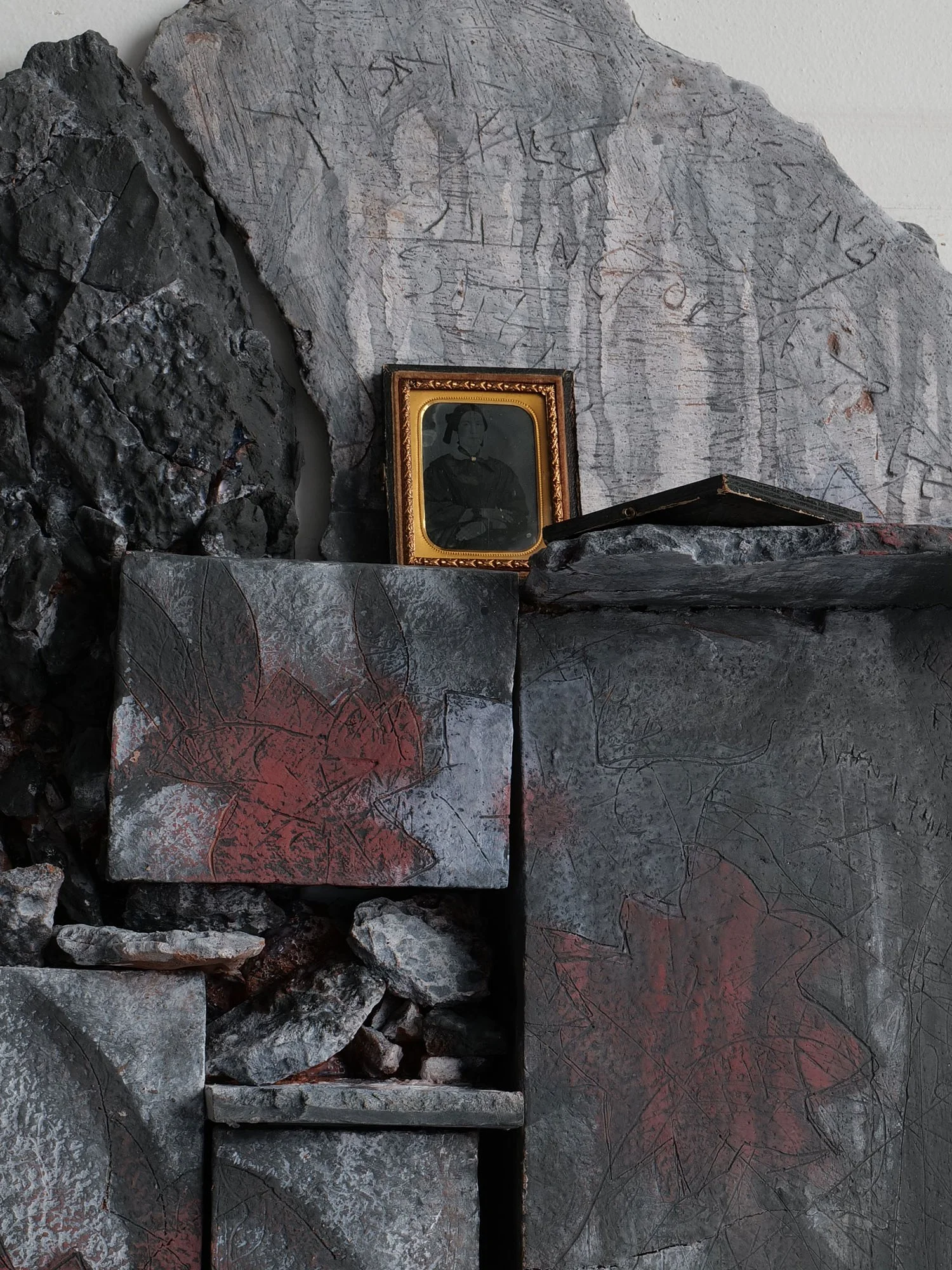
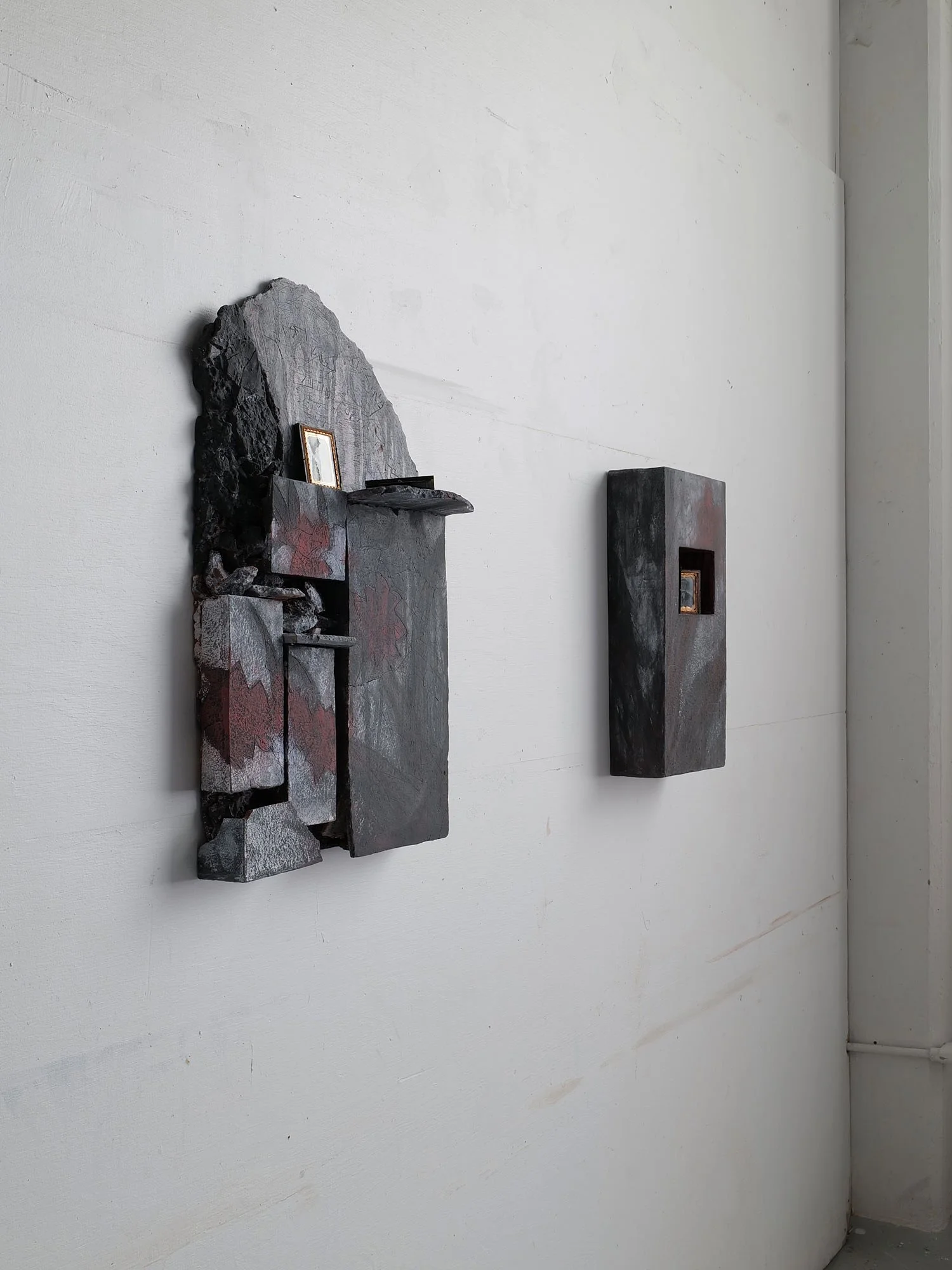
Yakusoku (Yaksok) No. 1, 2026
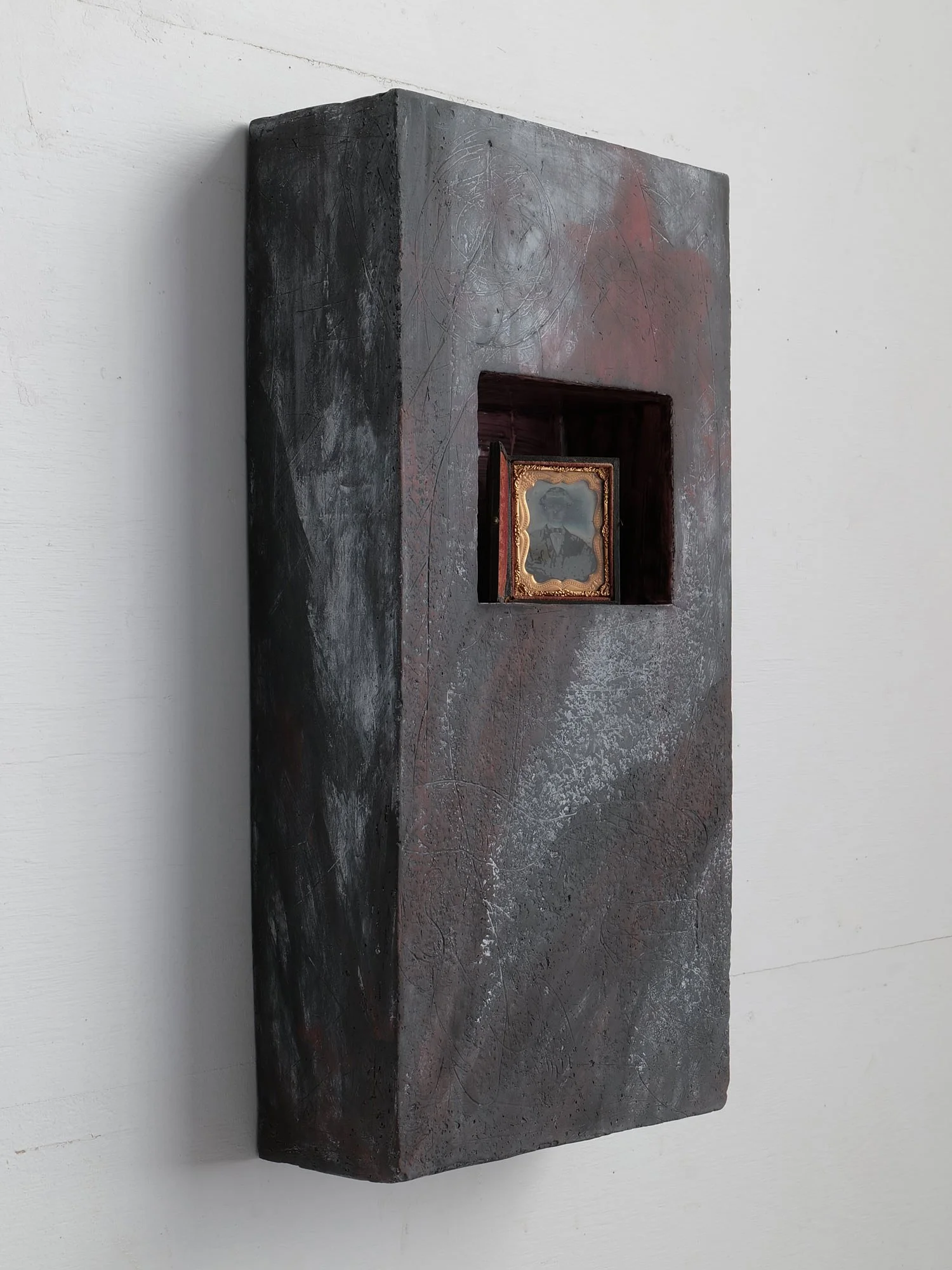
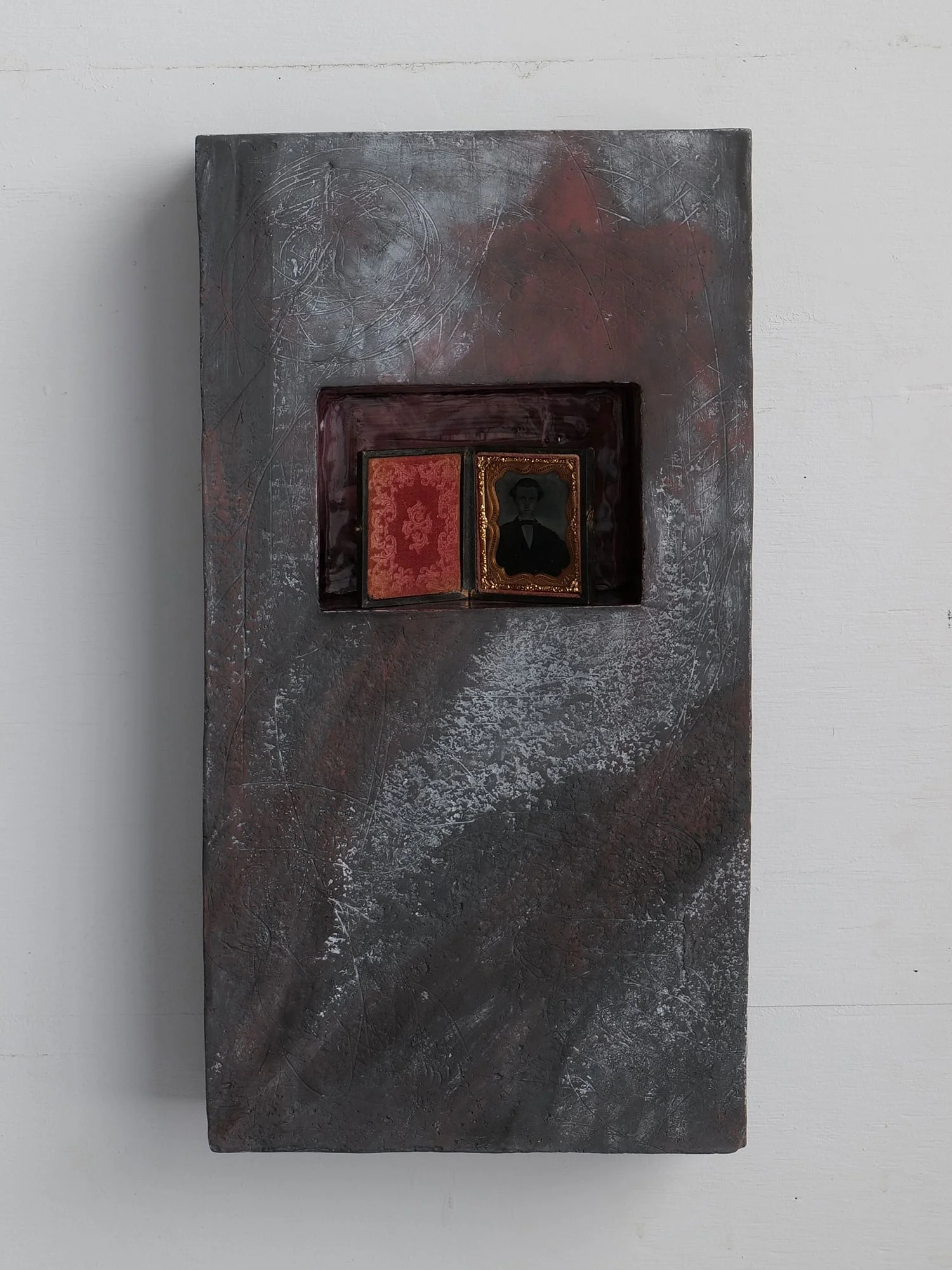
Yakusoku (Yaksok) No. 2, 2026
UMMA
UMMA (엄마) addresses the aftermath of war, featuring rubble, remnants of hanbok sashes, and weathered tomblike forms scrawled with illegible Japanese and Korean text that trace entangled histories of subjugation and displacement. Incorporating an antique folding frame with my mother’s 1980 U.S. immigration photograph alongside a self-portrait, I want to signal the past as an active, present force rather than a distant history.
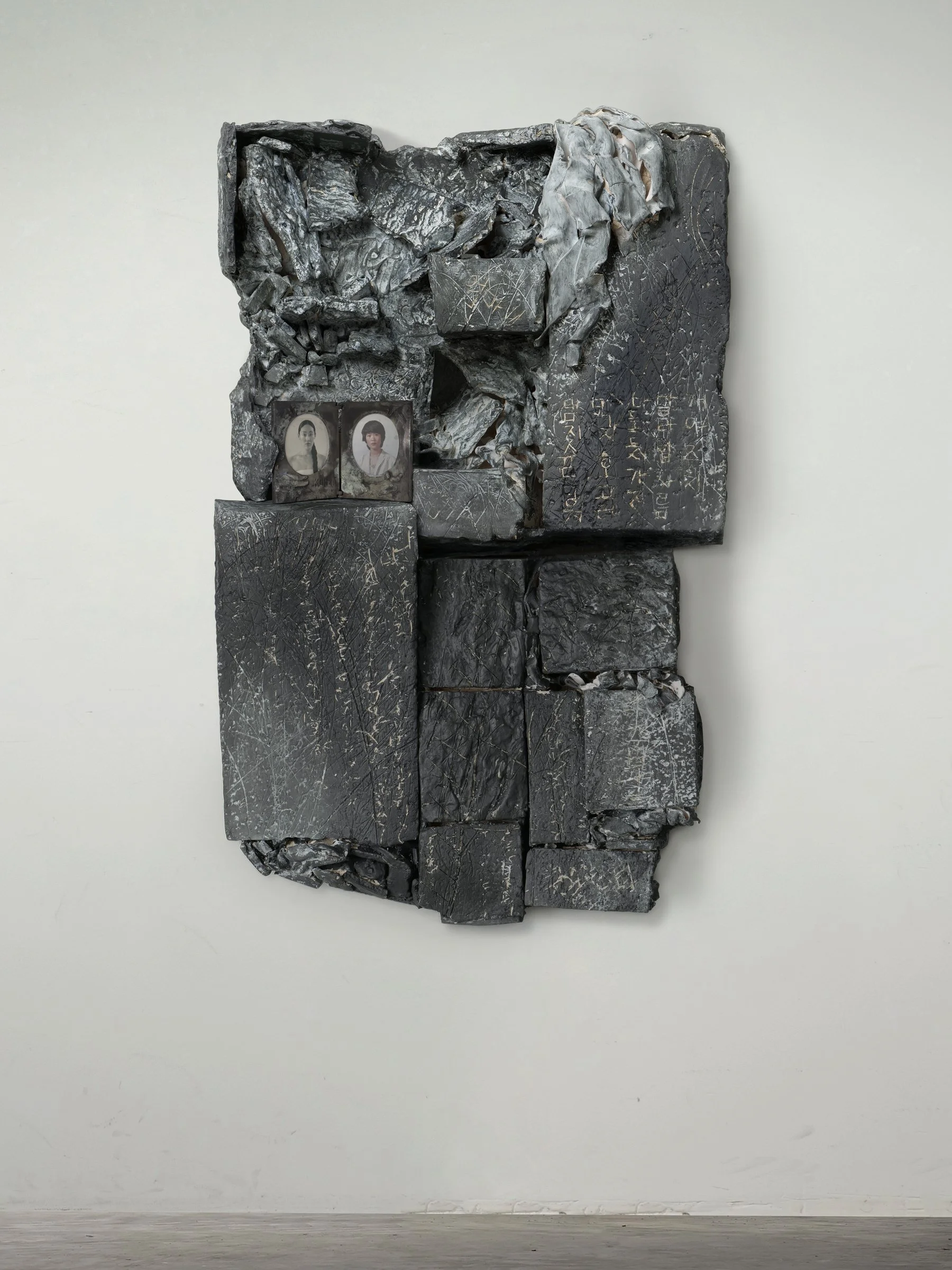
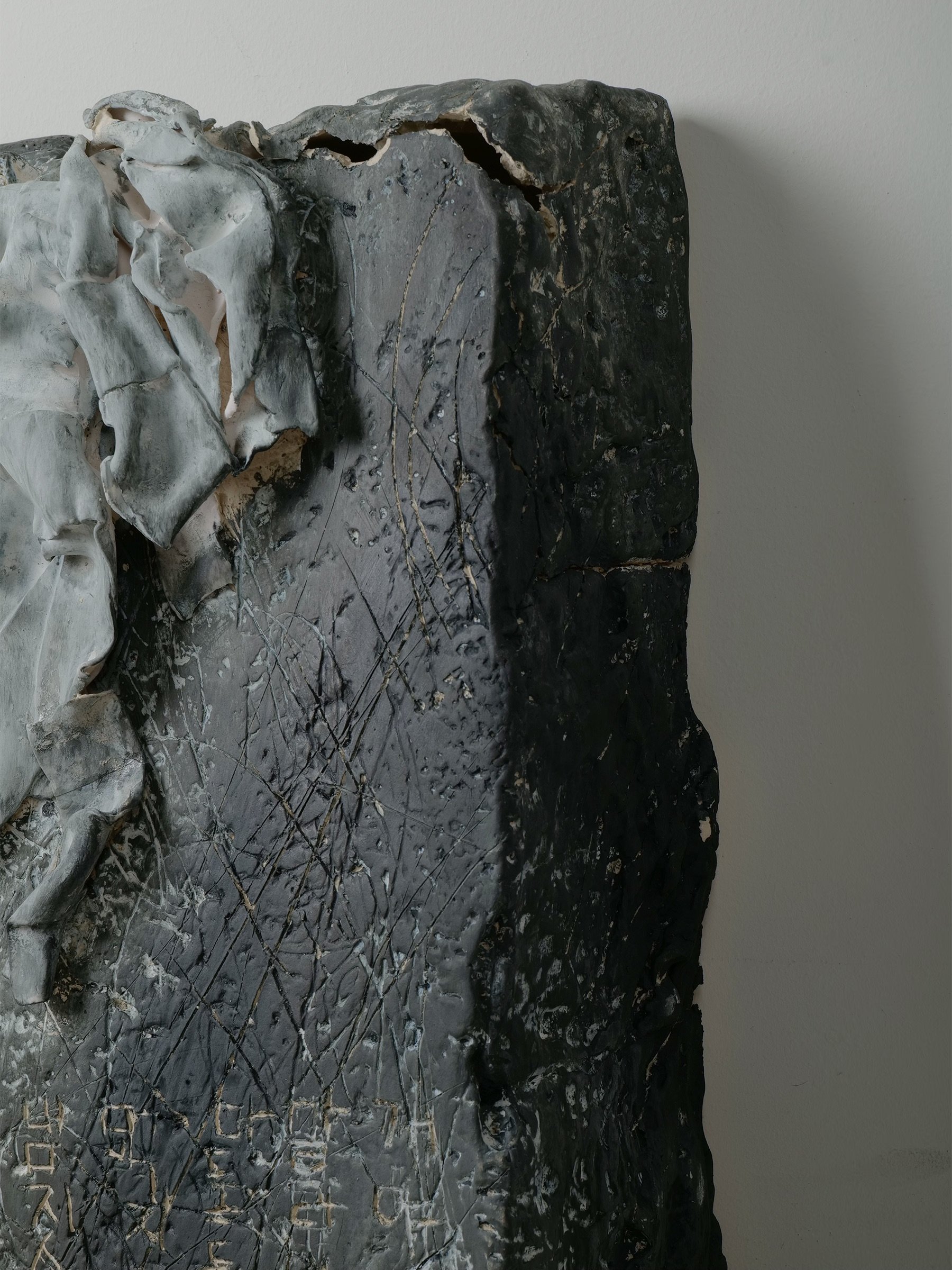
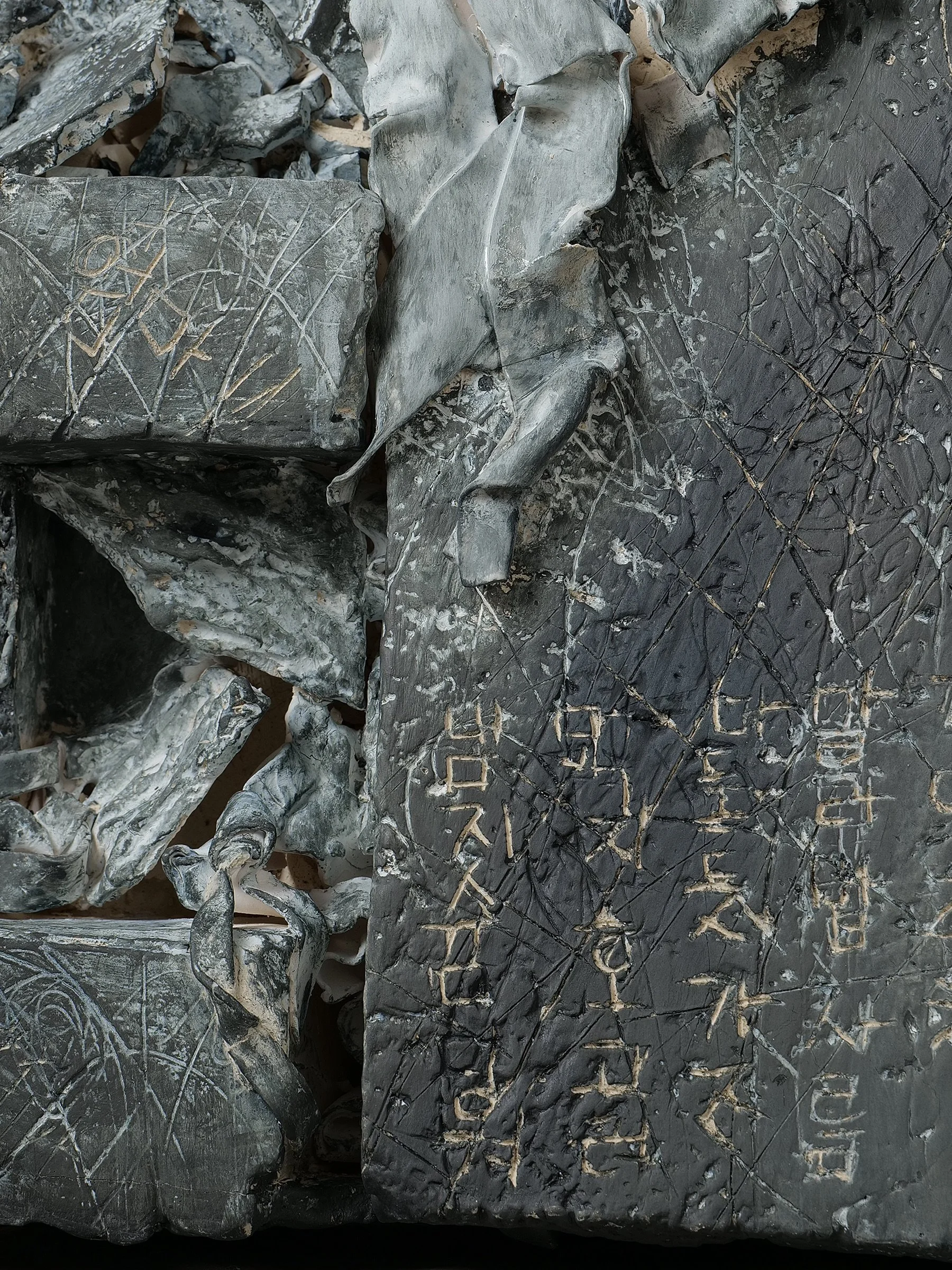
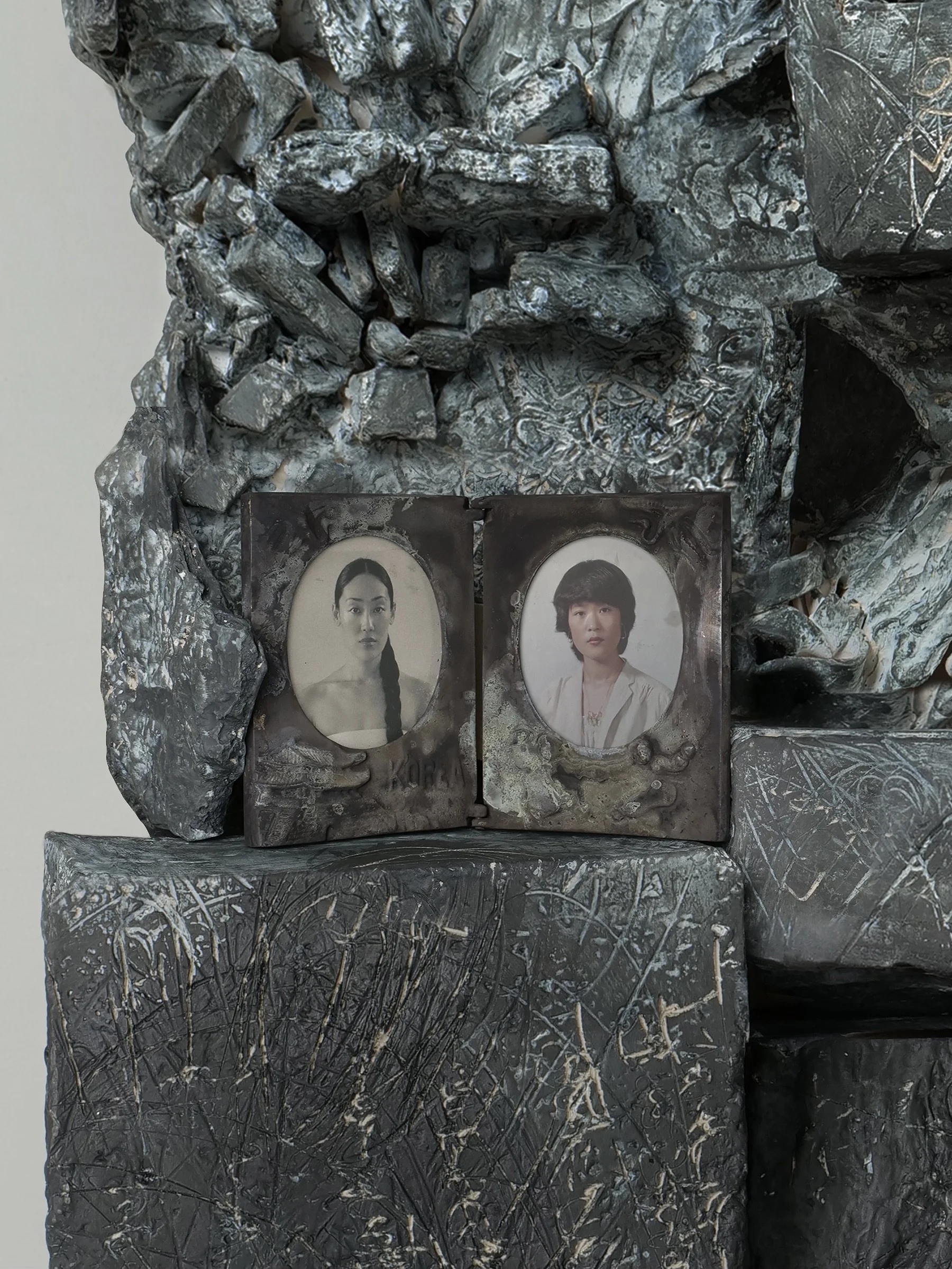
UMMA (엄마), 2025
CLEAN
The series Clean, consisting of Onnanoko (女の子), Nuhai (女孩), and Sonyeo (소녀), examines gendered violence, imperialism, and the sanitization of historical memory across East Asia. Through these works, I return to a recurring question in my practice: where does the body go under extreme conditions of trauma, coercion, survival, and erasure?
I think about the body as a site where violence accumulates across generations, where grief, shame, resilience, and memory become embedded into form. The sculptures hold a tension between fragility and endurance, rupture and persistence. I am interested in how histories that are suppressed or unresolved continue to distort the body psychologically and physically, while still carrying the possibility of survival.
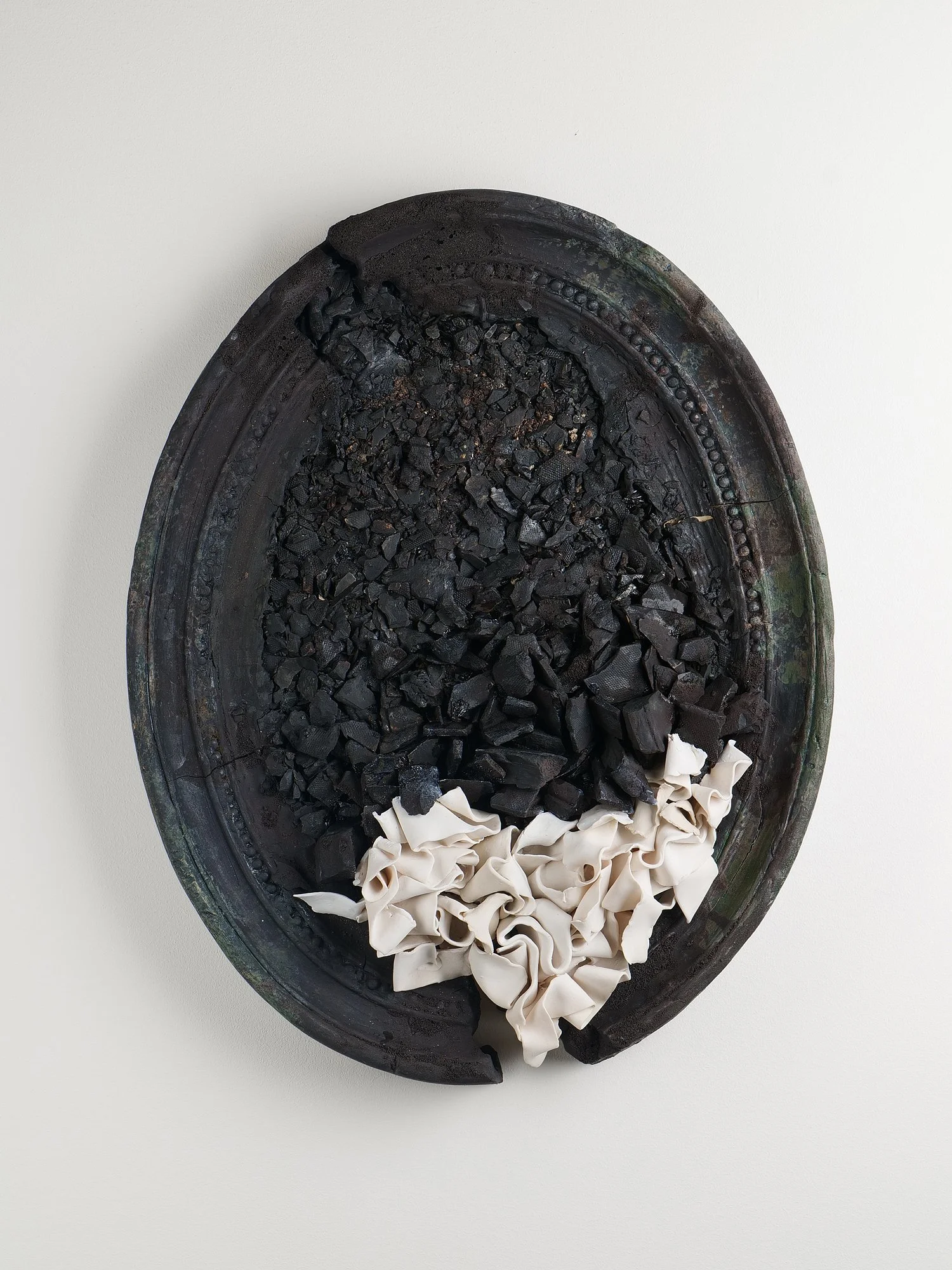
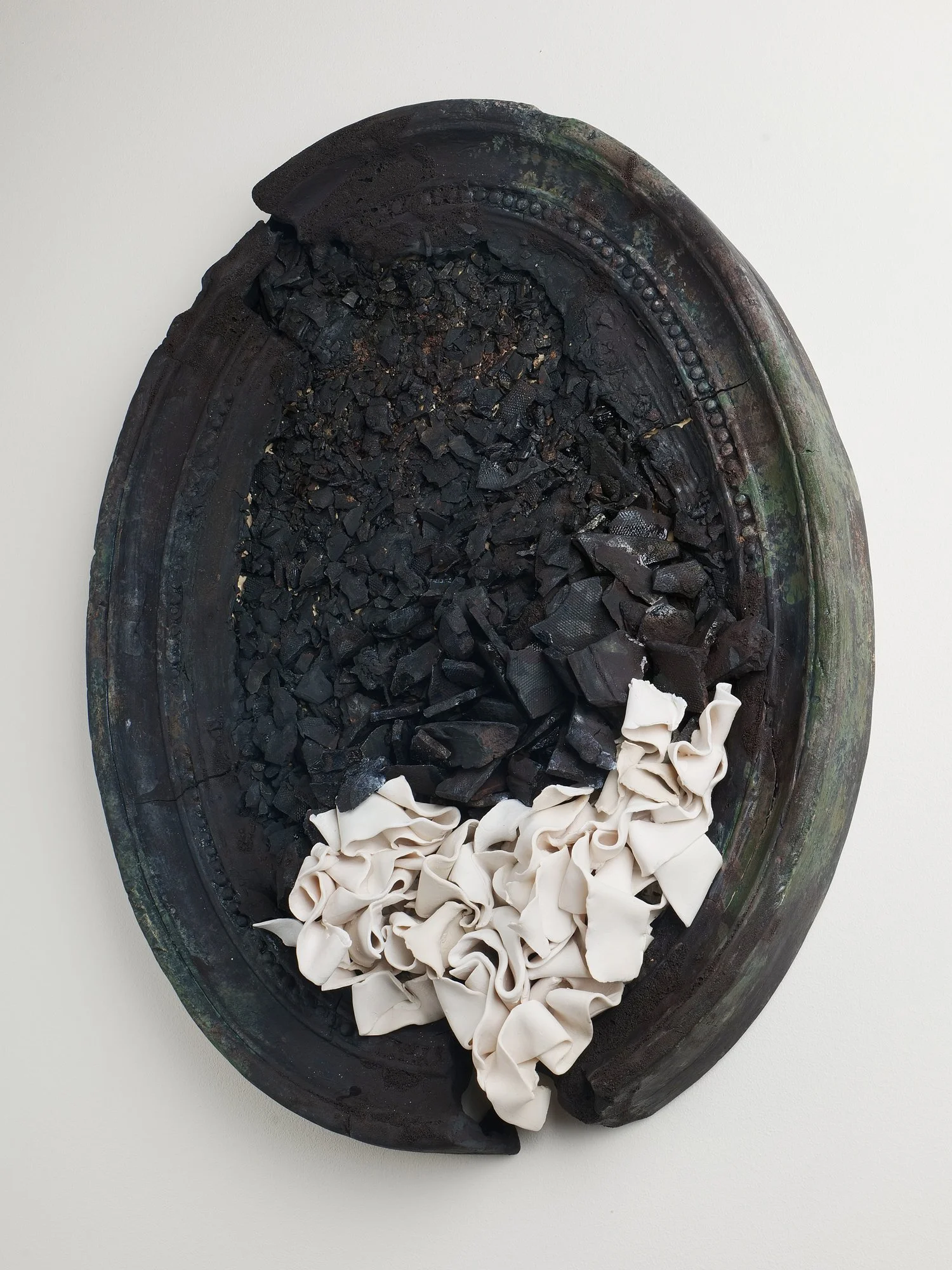
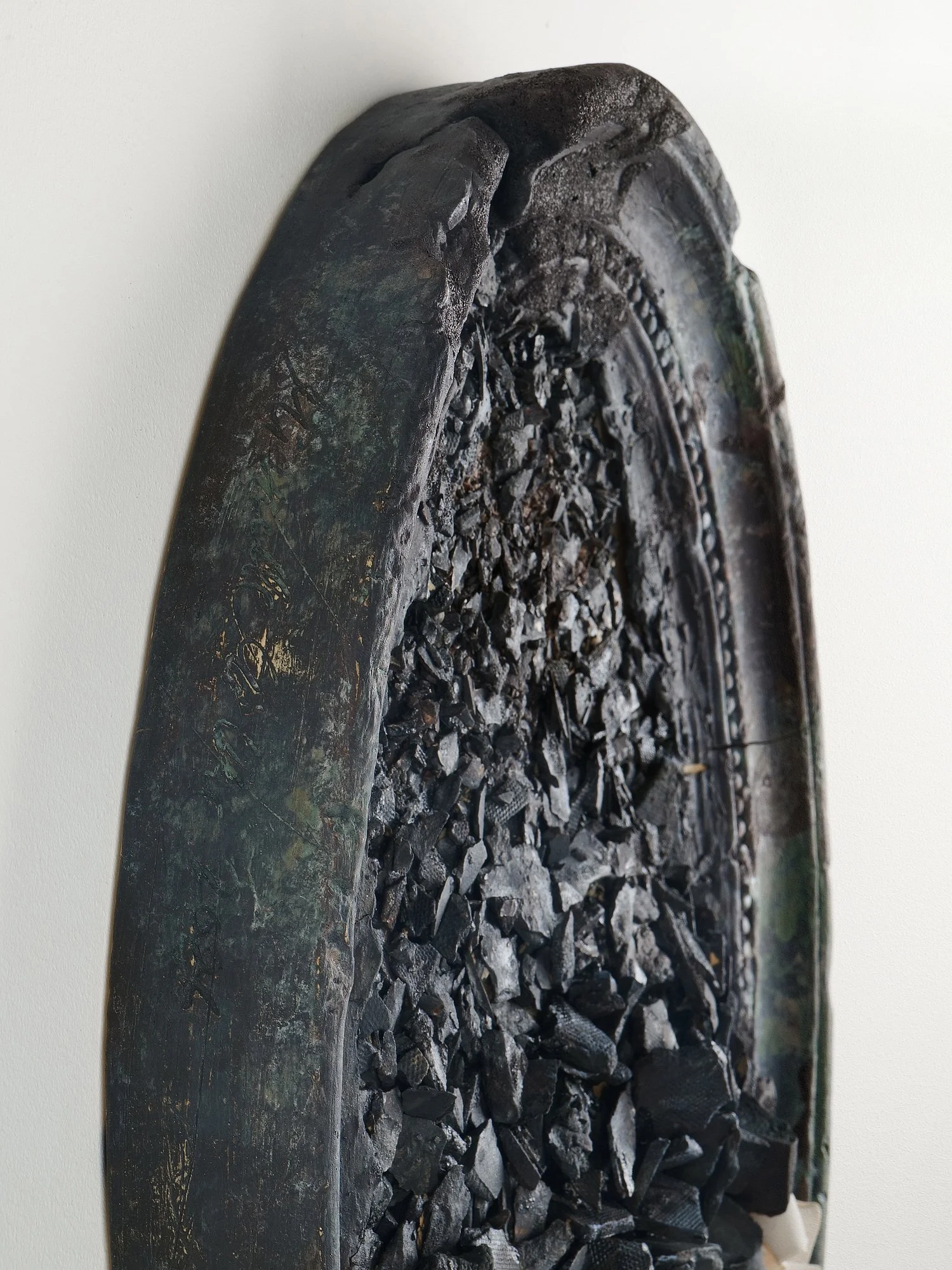
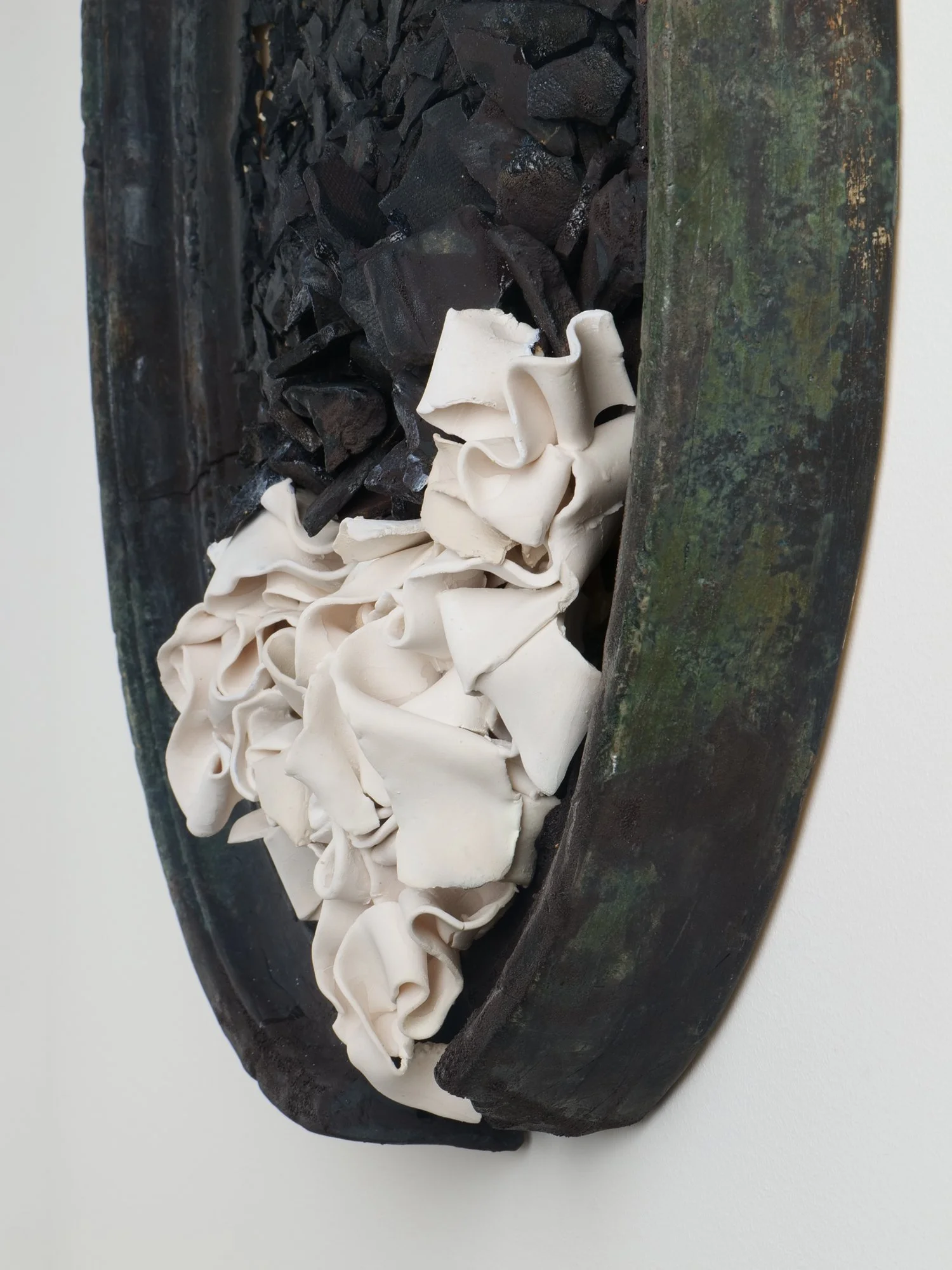
Onnanoko (女の子), 2026
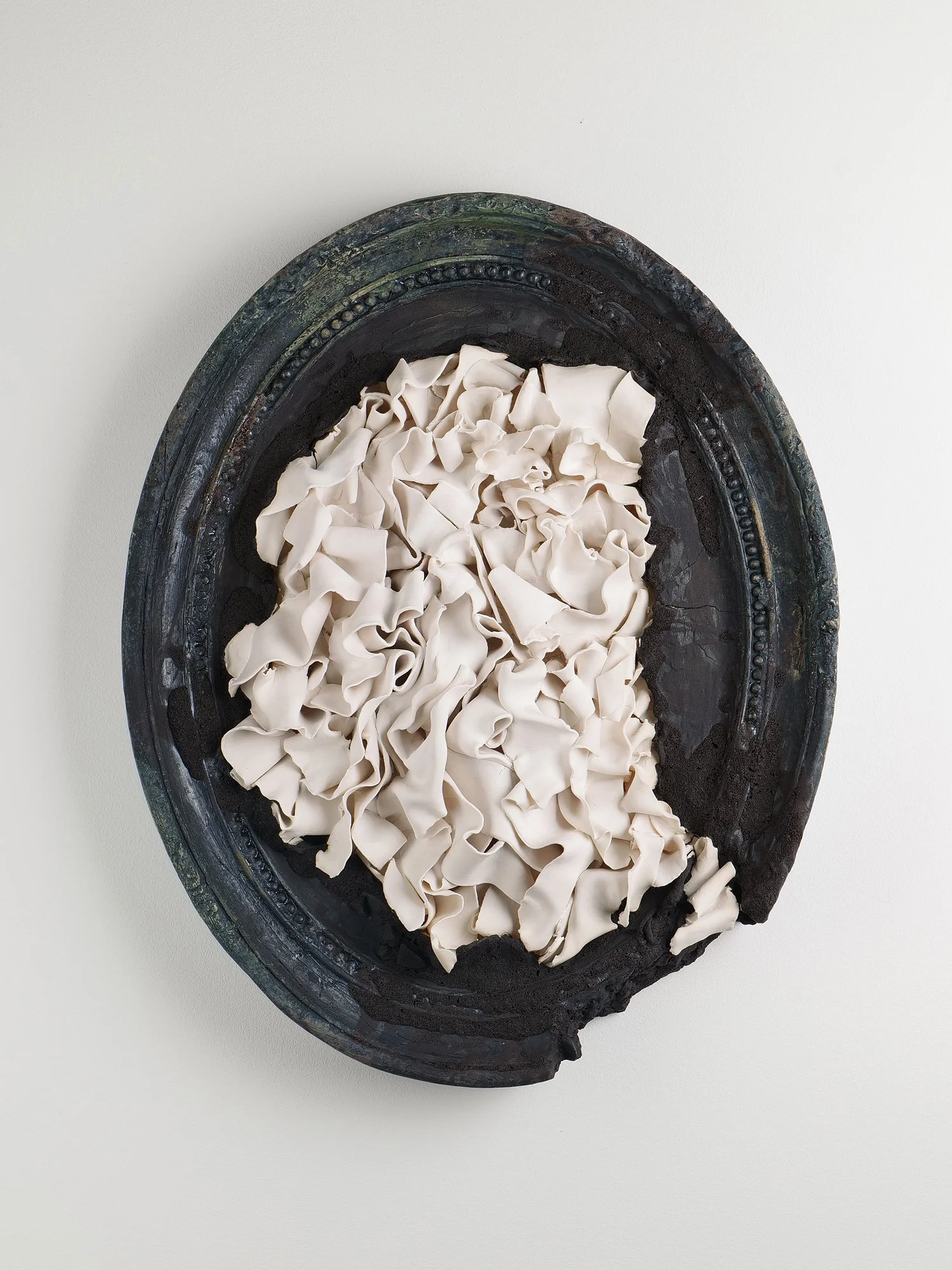
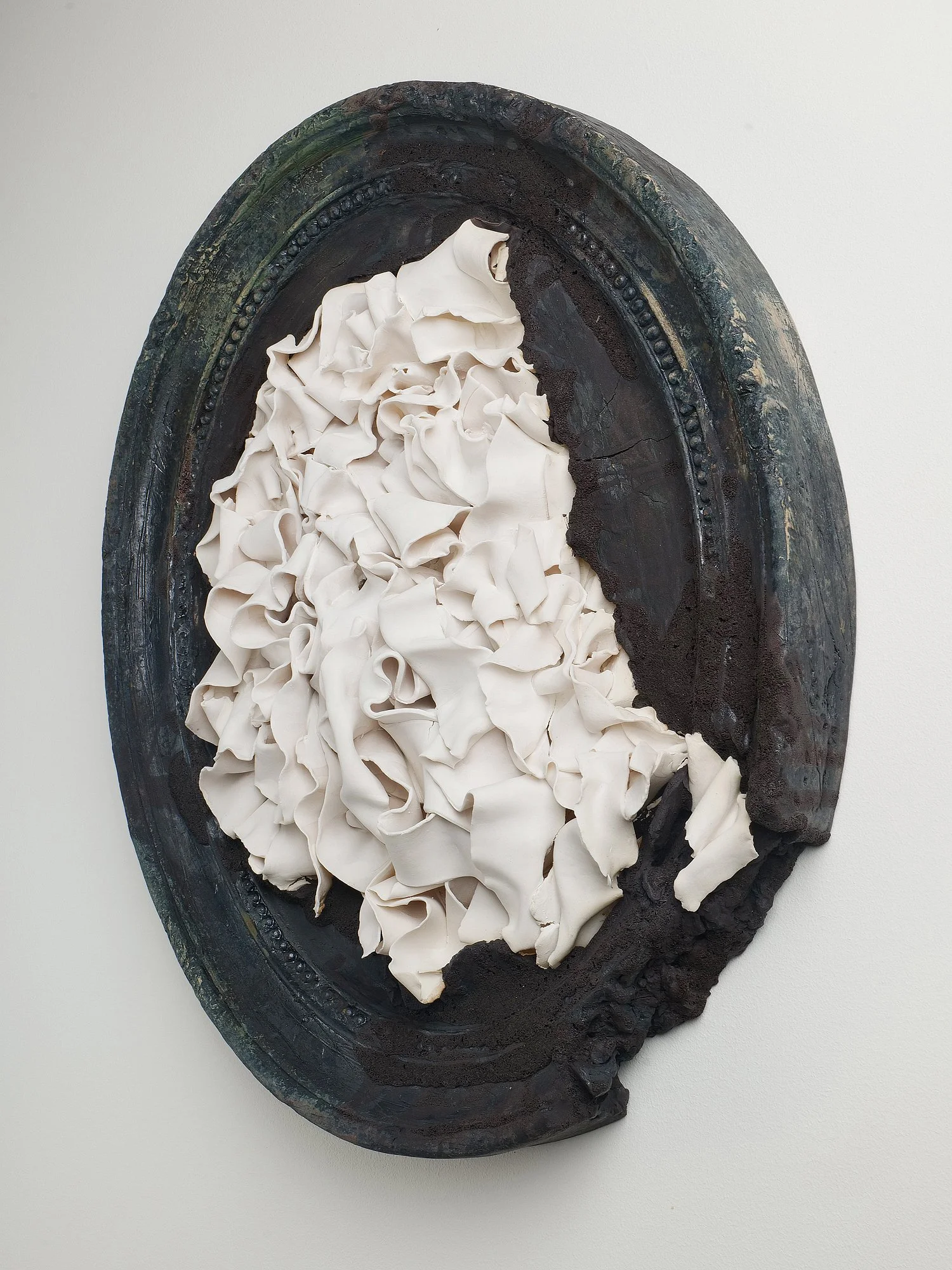
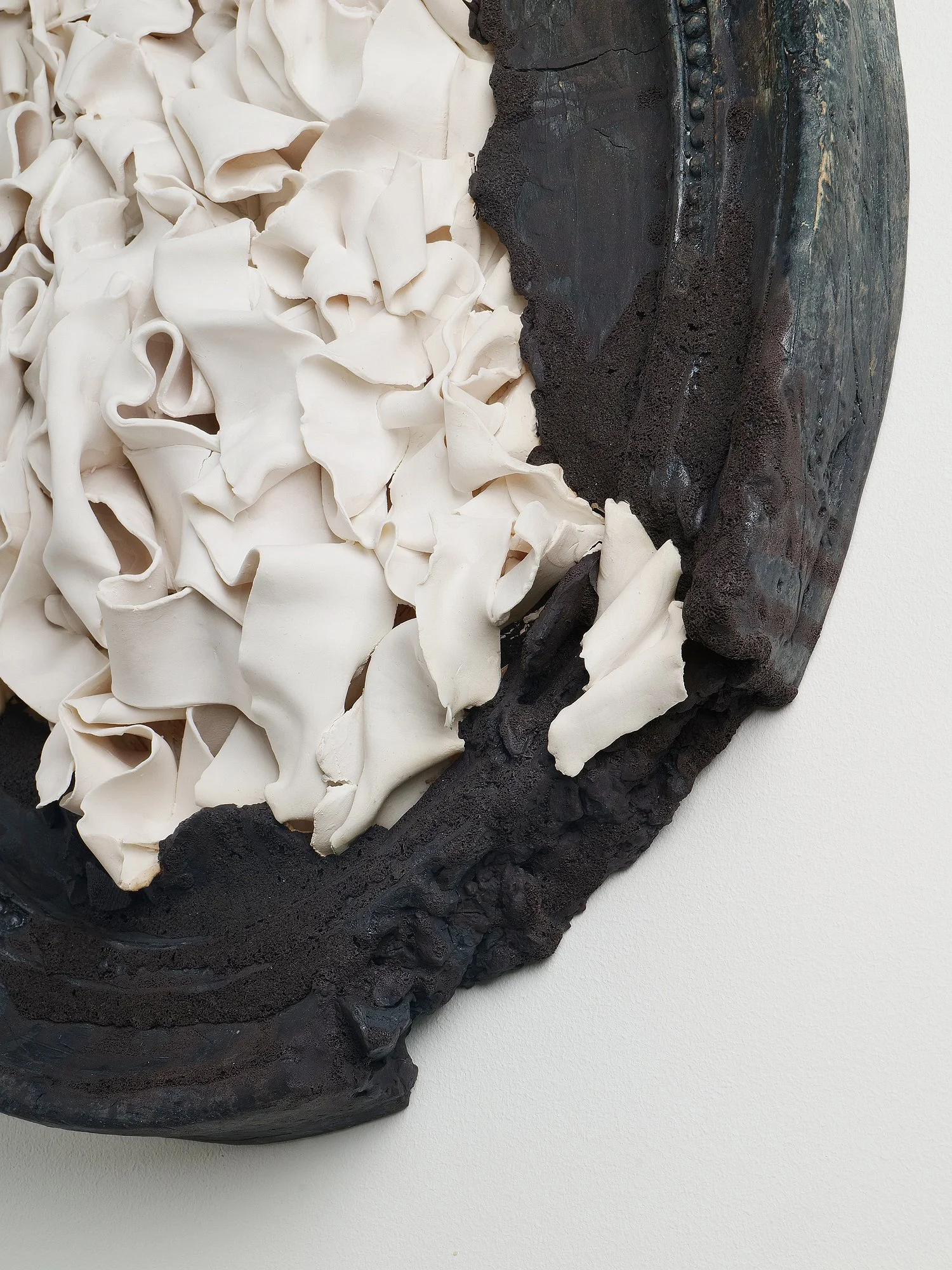
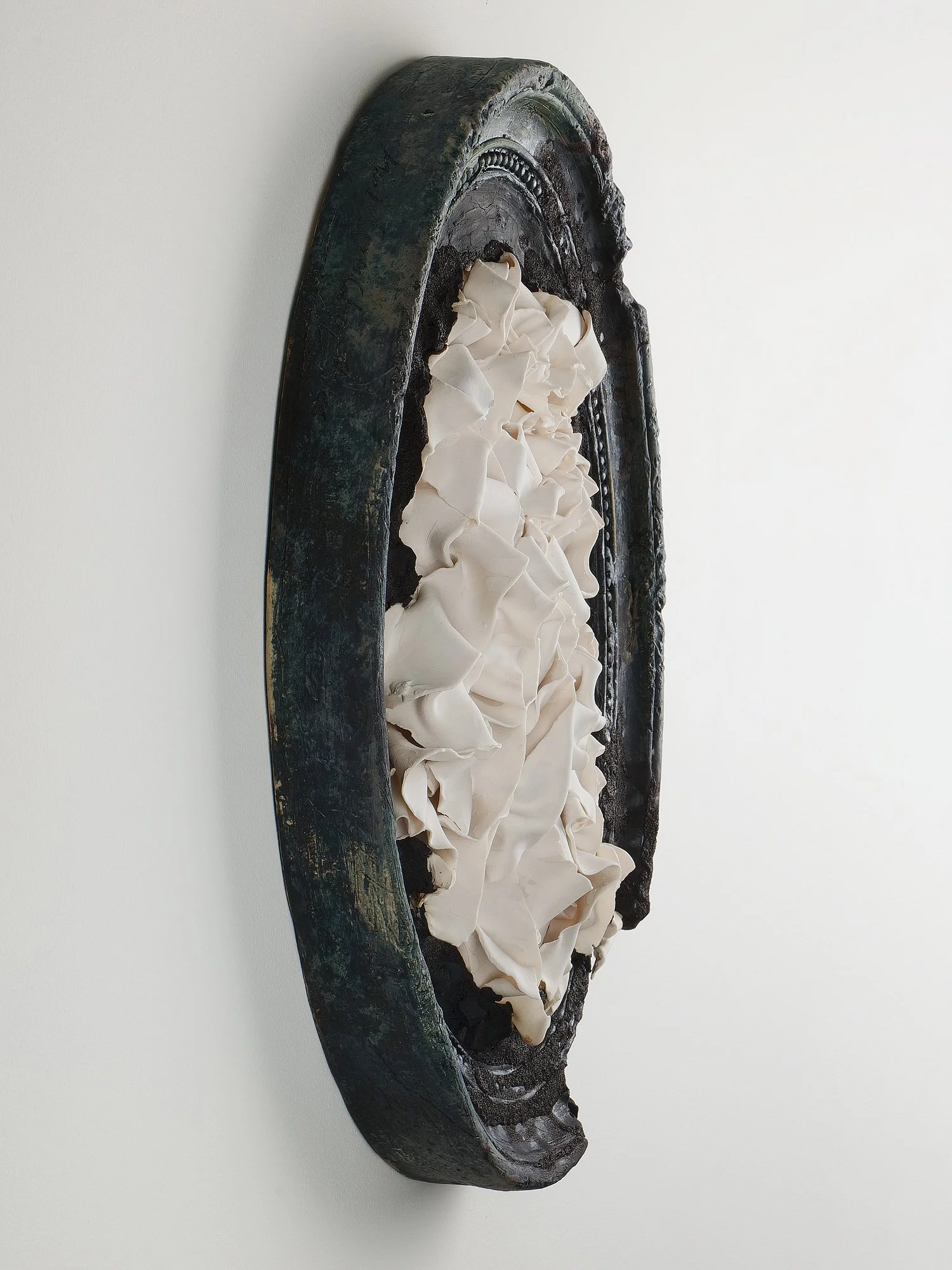
Nuhai (女孩), 2026
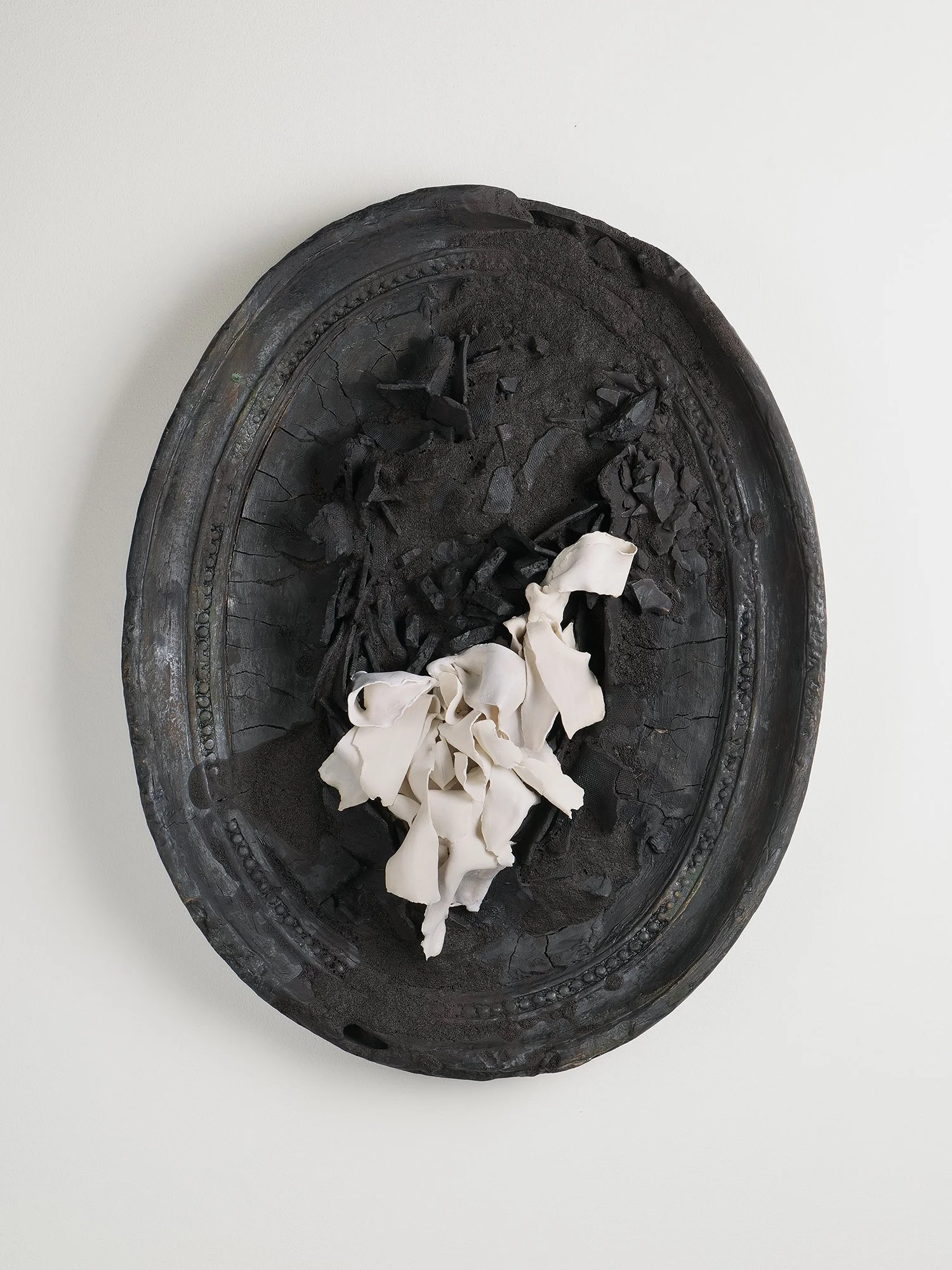
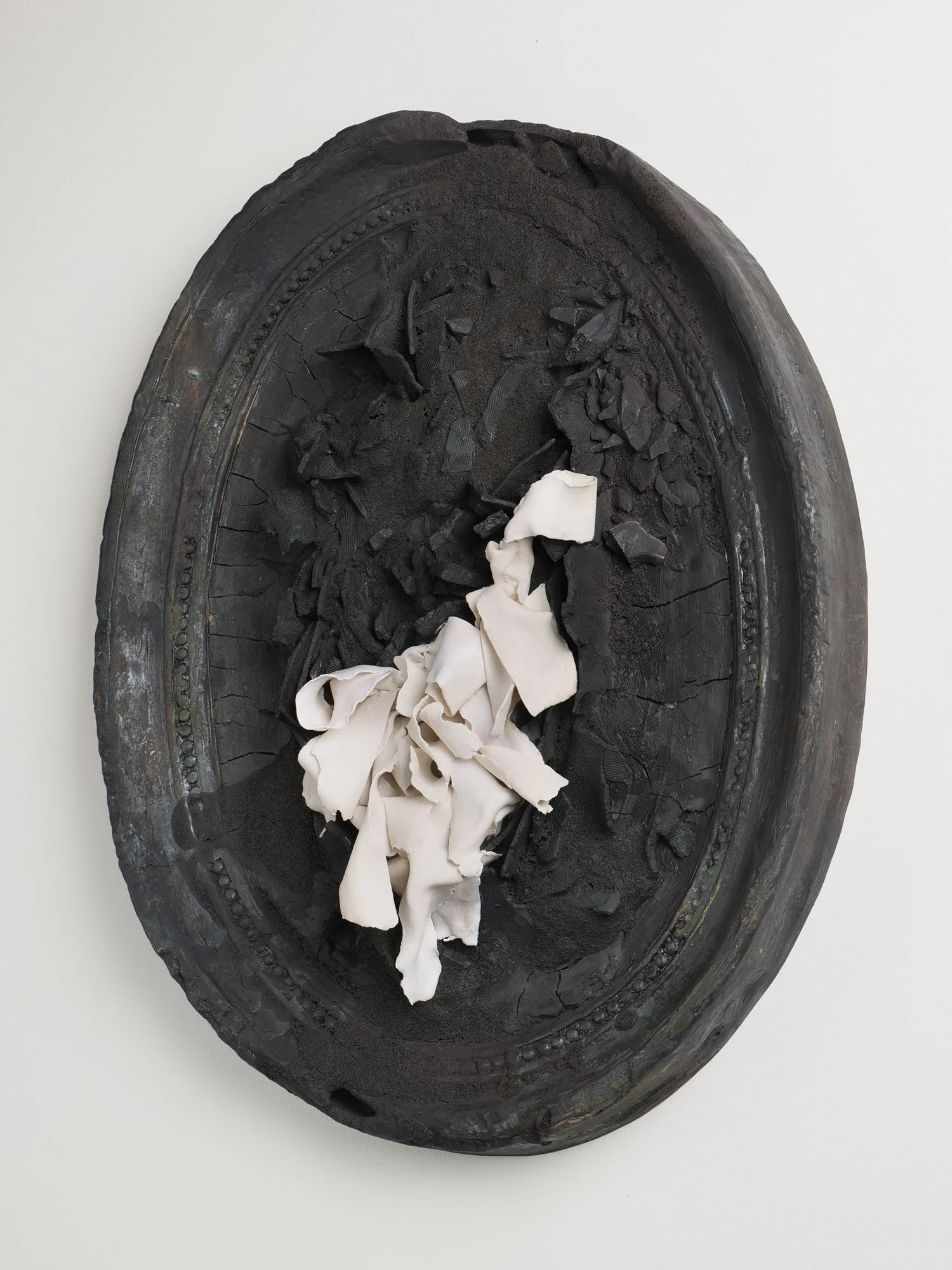
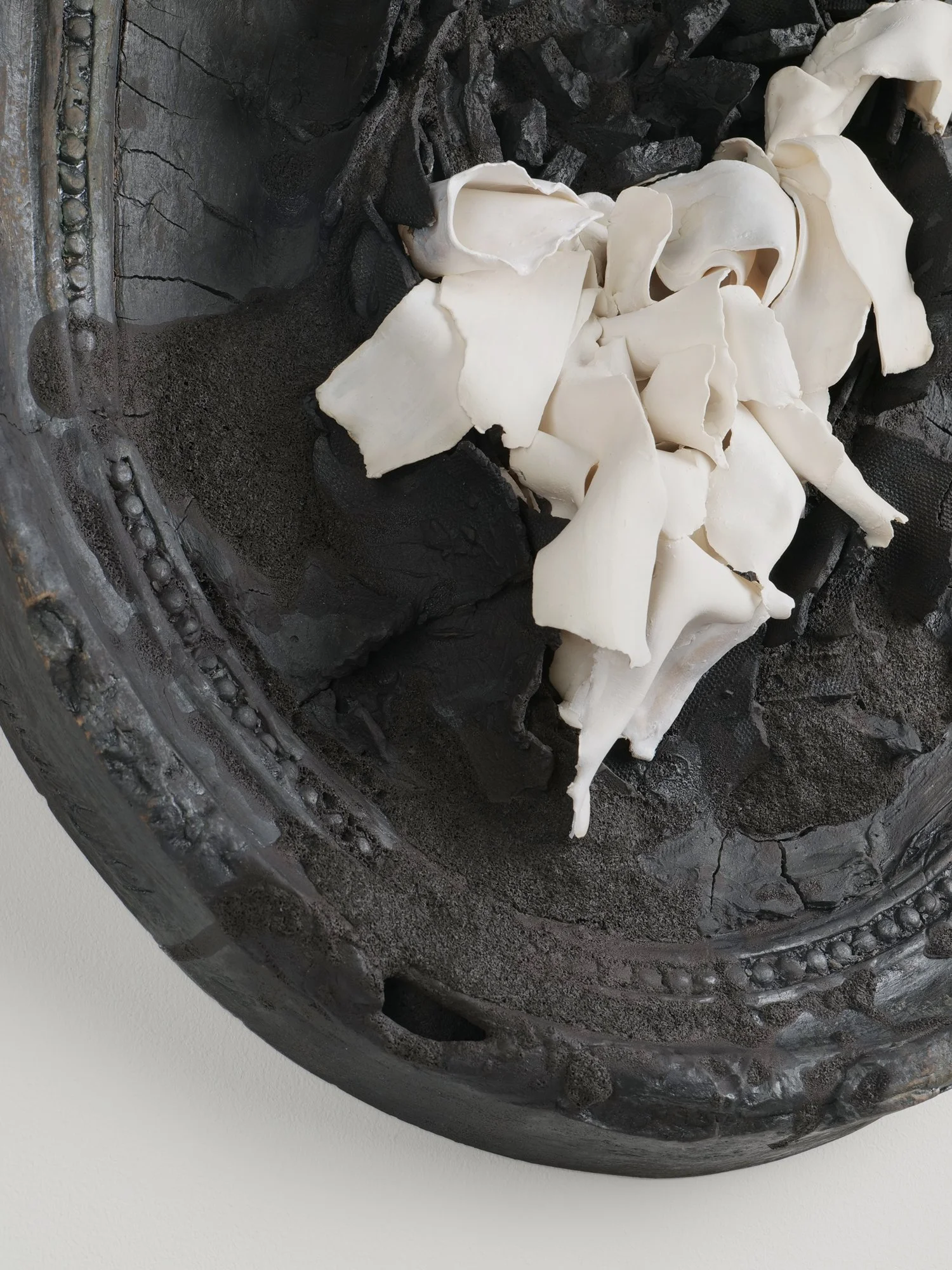
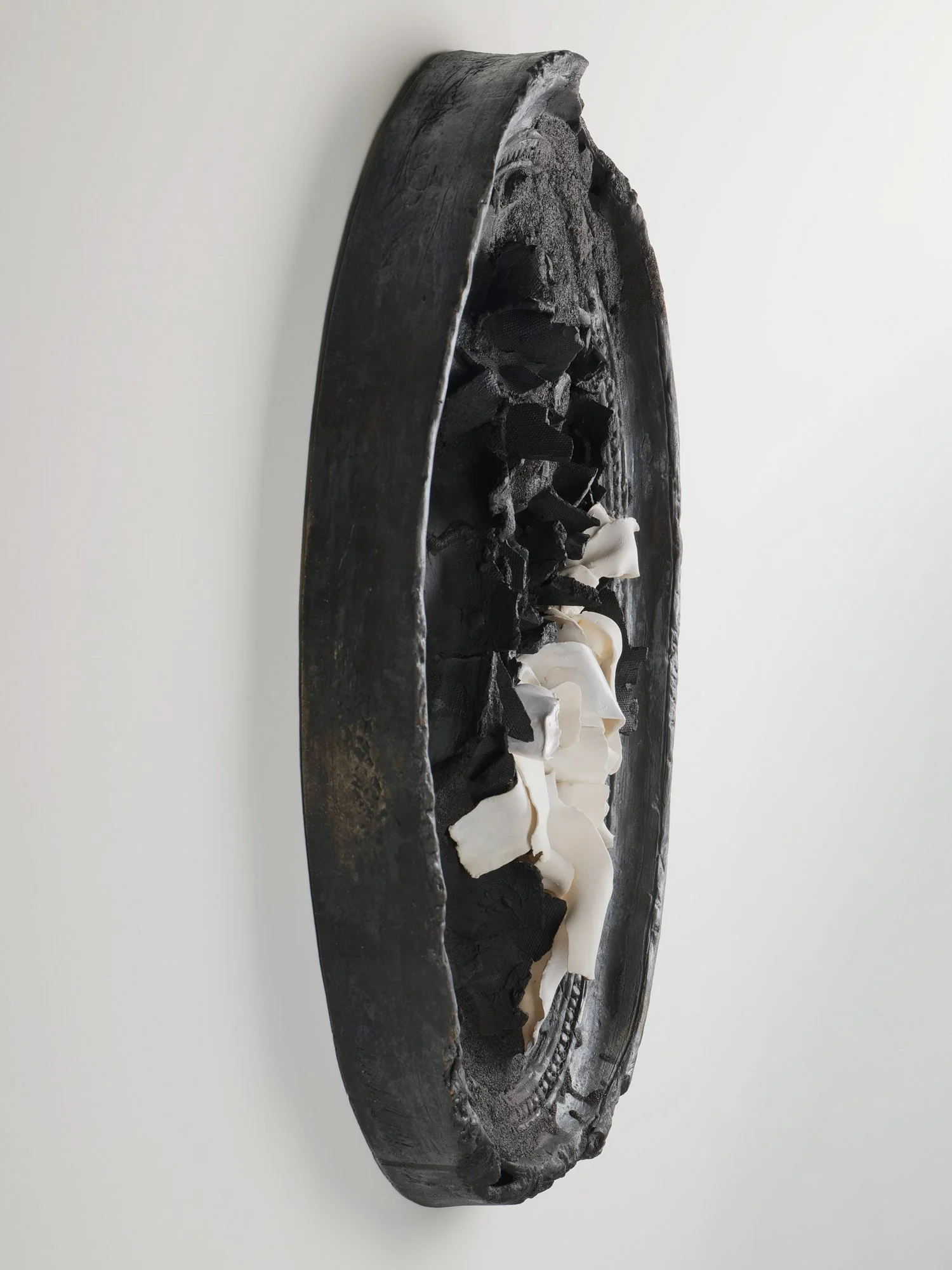
Sonyeo (소녀), 2026
PICTURE BRIDE
Picture Bride presents a self-portrait imitating a 1920s matchmaking advertisement, honoring the legacy of the first generation of Corean women who immigrated to America.
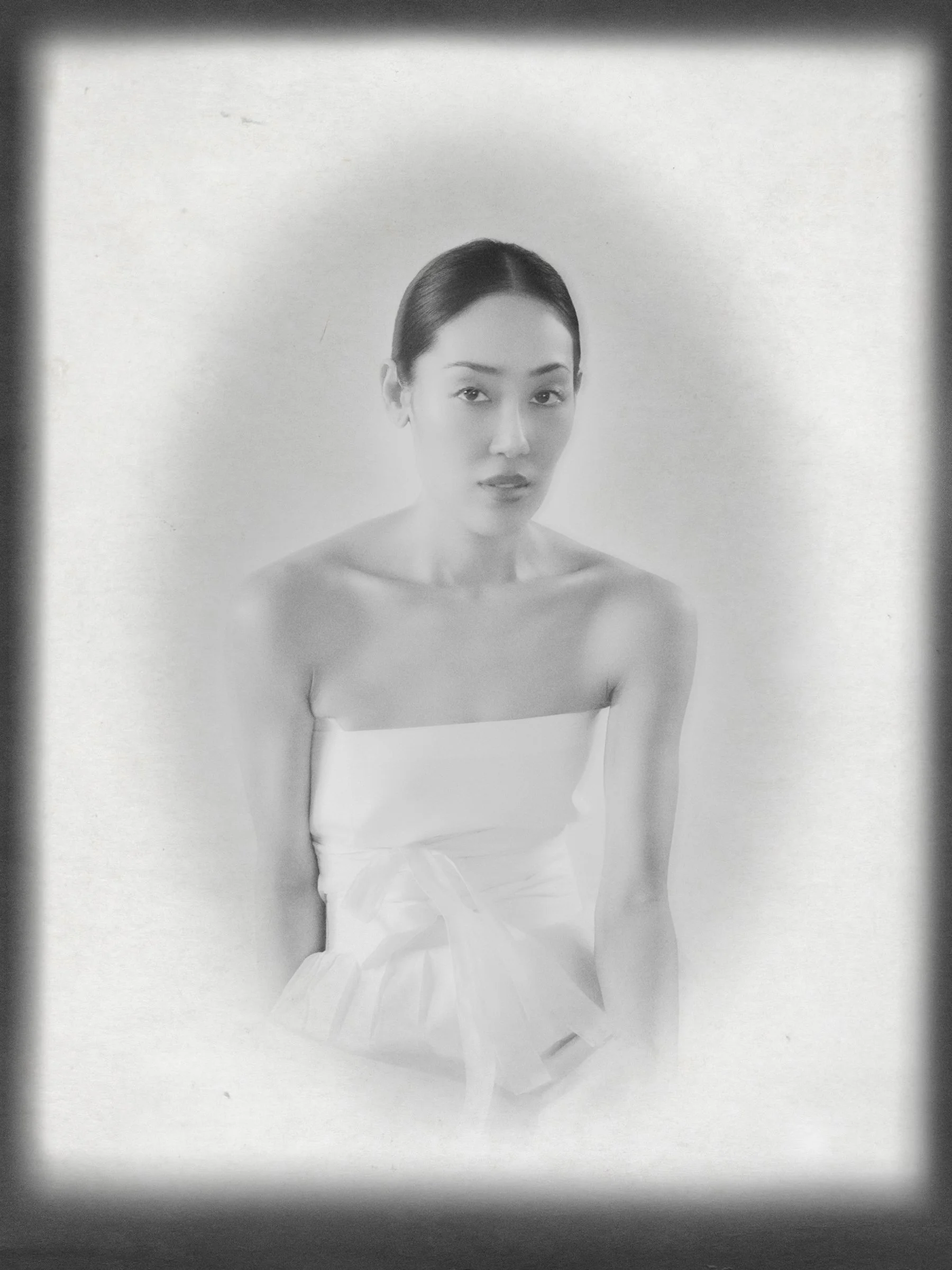
Picture Bride, 2025
PERFORMANCES
In my performances, I inhabit the figure of a Joseon peasant, allowing my body to function as a medium through which unresolved struggle is expressed. In Jja (짜), meaning “wring,” I use forceful, repetitive wringing gestures of the hands that gradually spread through the arms, torso, and entire body to evoke sites of internalized tension. Ddalgi (딸기), or “strawberry,” confronts my relationship to Corean normalization of physical and psychic pressure. The series concludes with Nallaga (날라가), meaning “fly away,” where I abandon compulsive pedestrian gesture in favor of fluid, unpredictable movement to convey the release of latent ancestral trauma.
Jja (짜), 2025
Ddalgi (딸기), 2025
Nallaga (날라가), 2025
GUMIHO (구미호)
In my photographic work Gumiho (구미호), the peasant is reimagined as a comfort woman under Japanese colonization. I use a sequence of oval-framed photographs to retell the story of Gumiho (구미호), the nine-tailed fox, recast here as a heroic time traveler who intervenes to protect her ancestors from sexual violence.
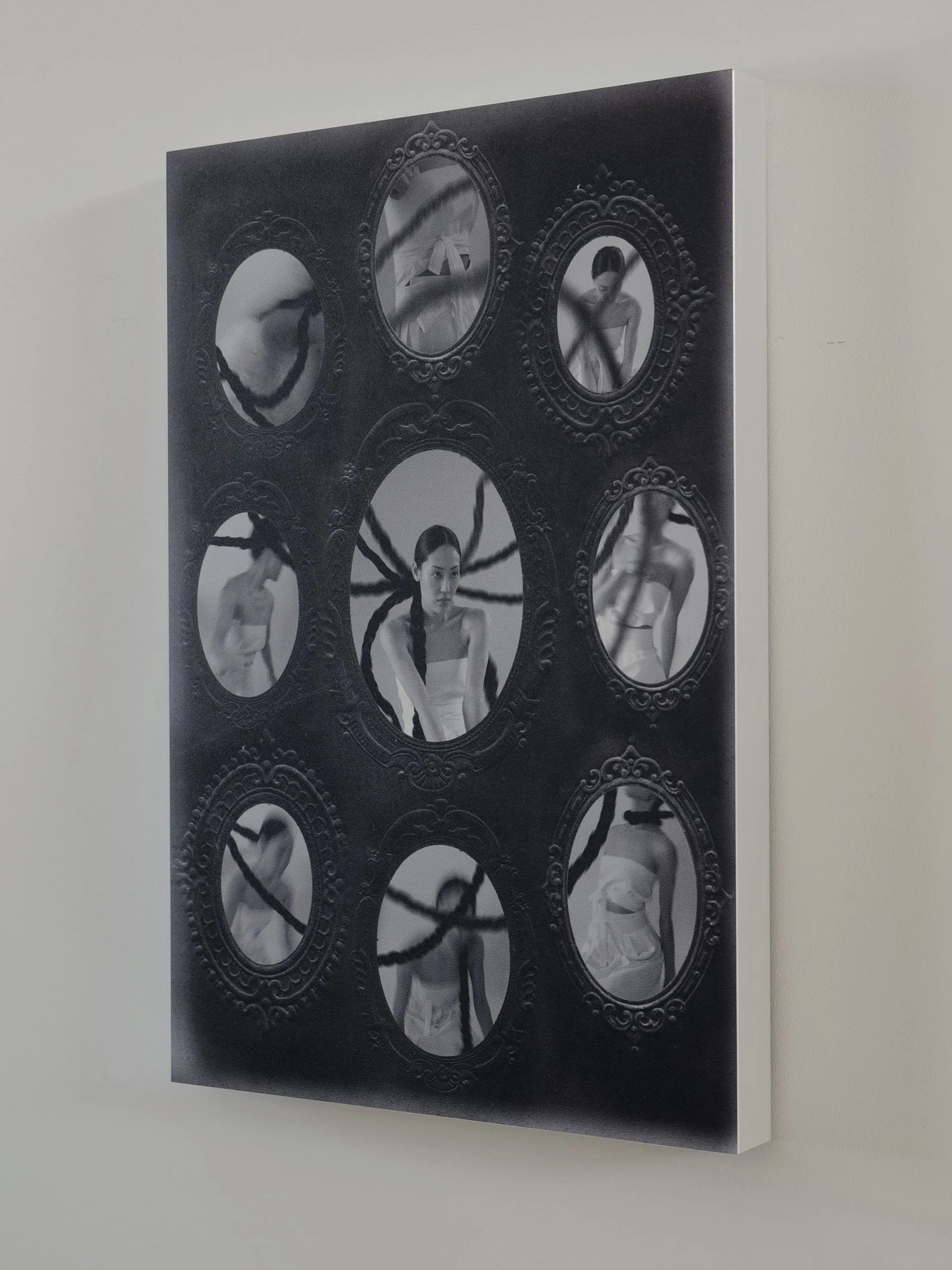
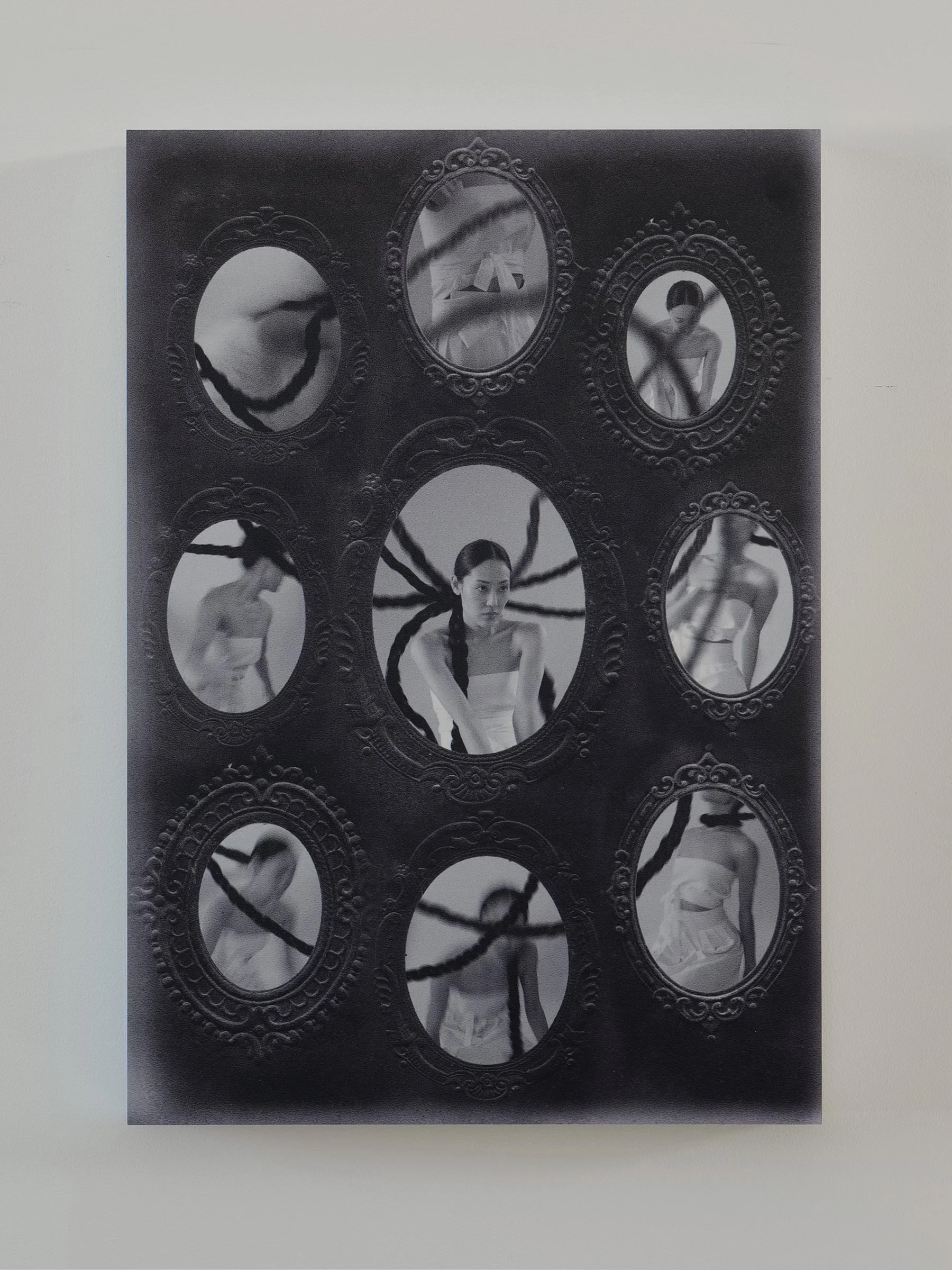
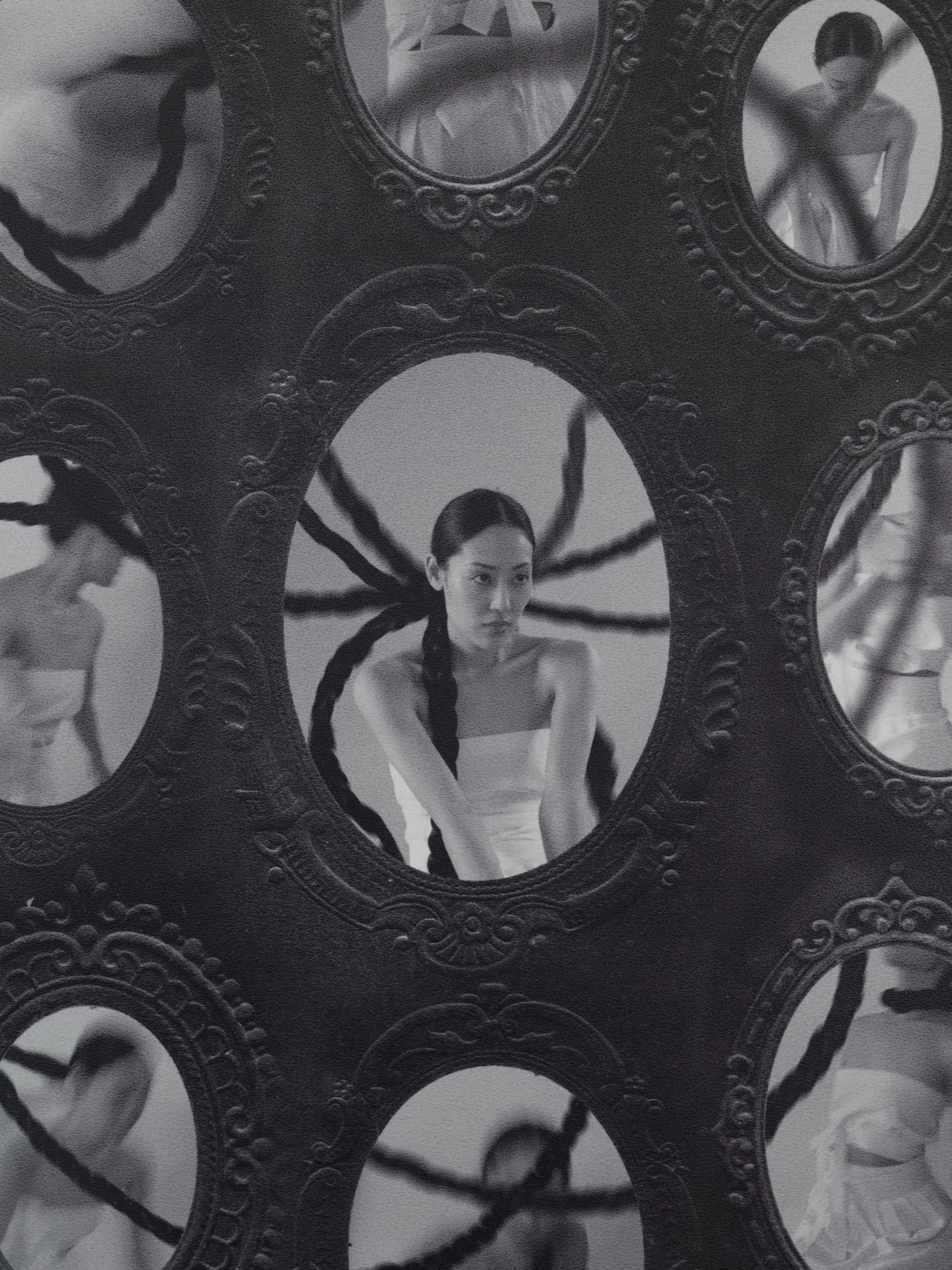
Gumiho (구미호), 2025